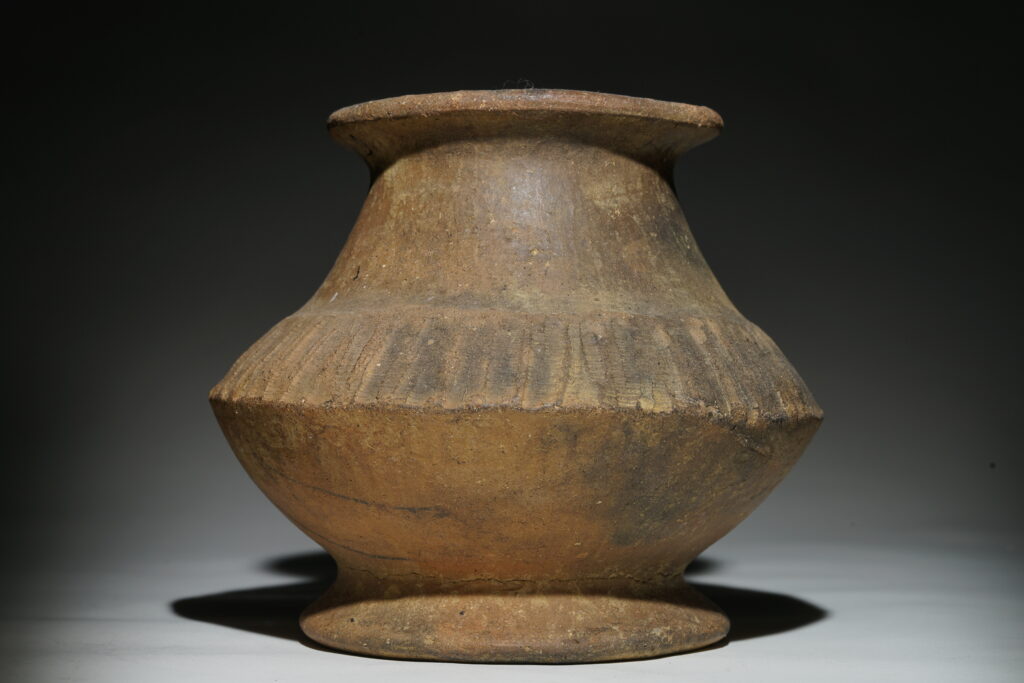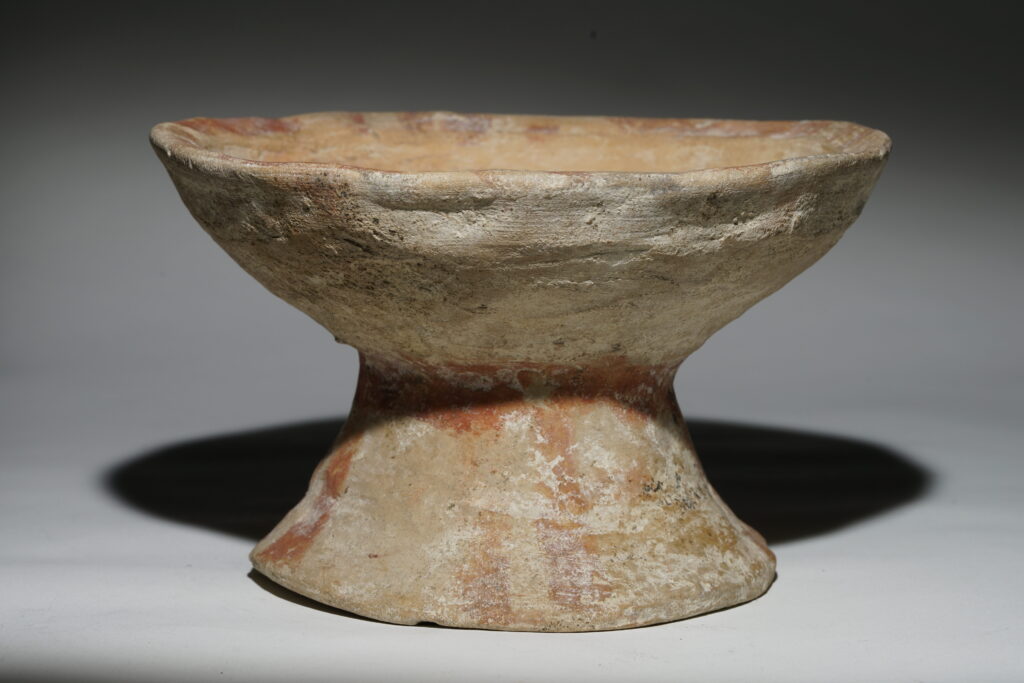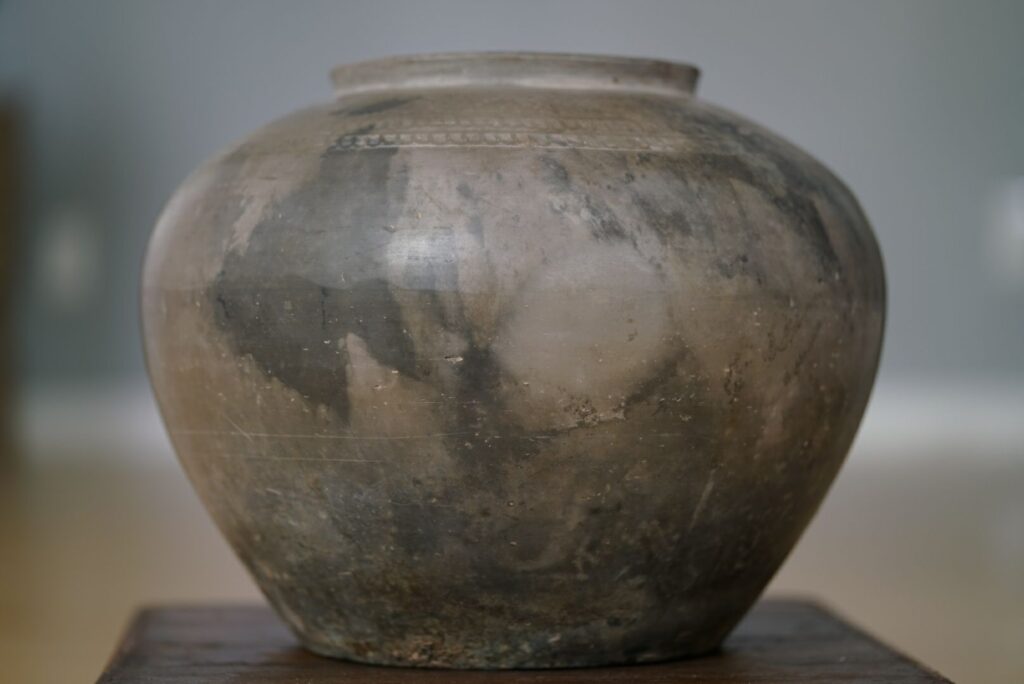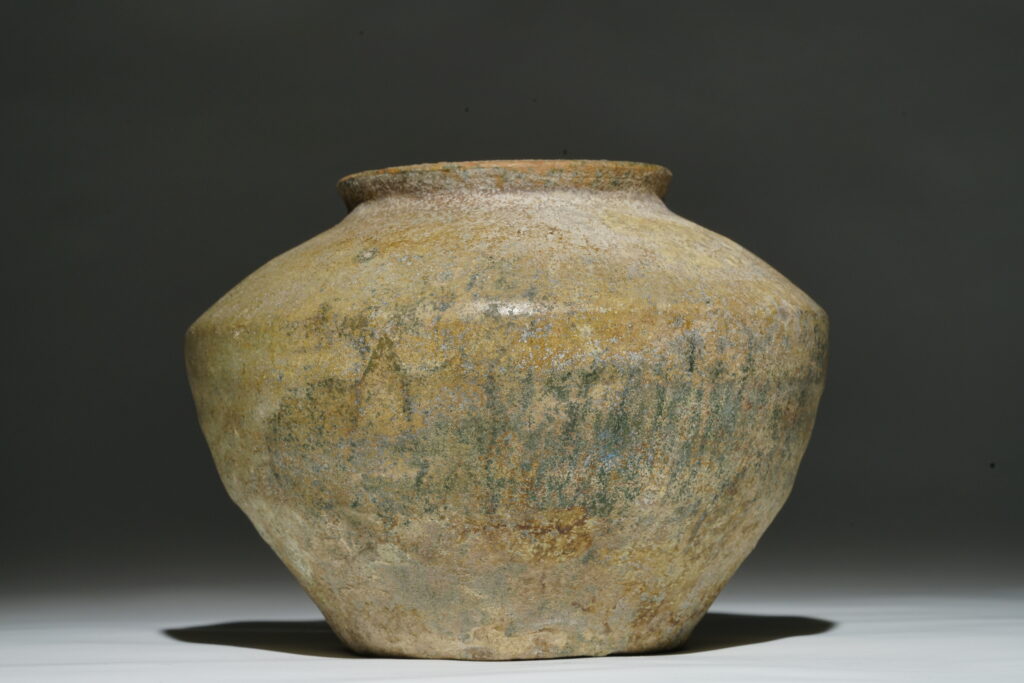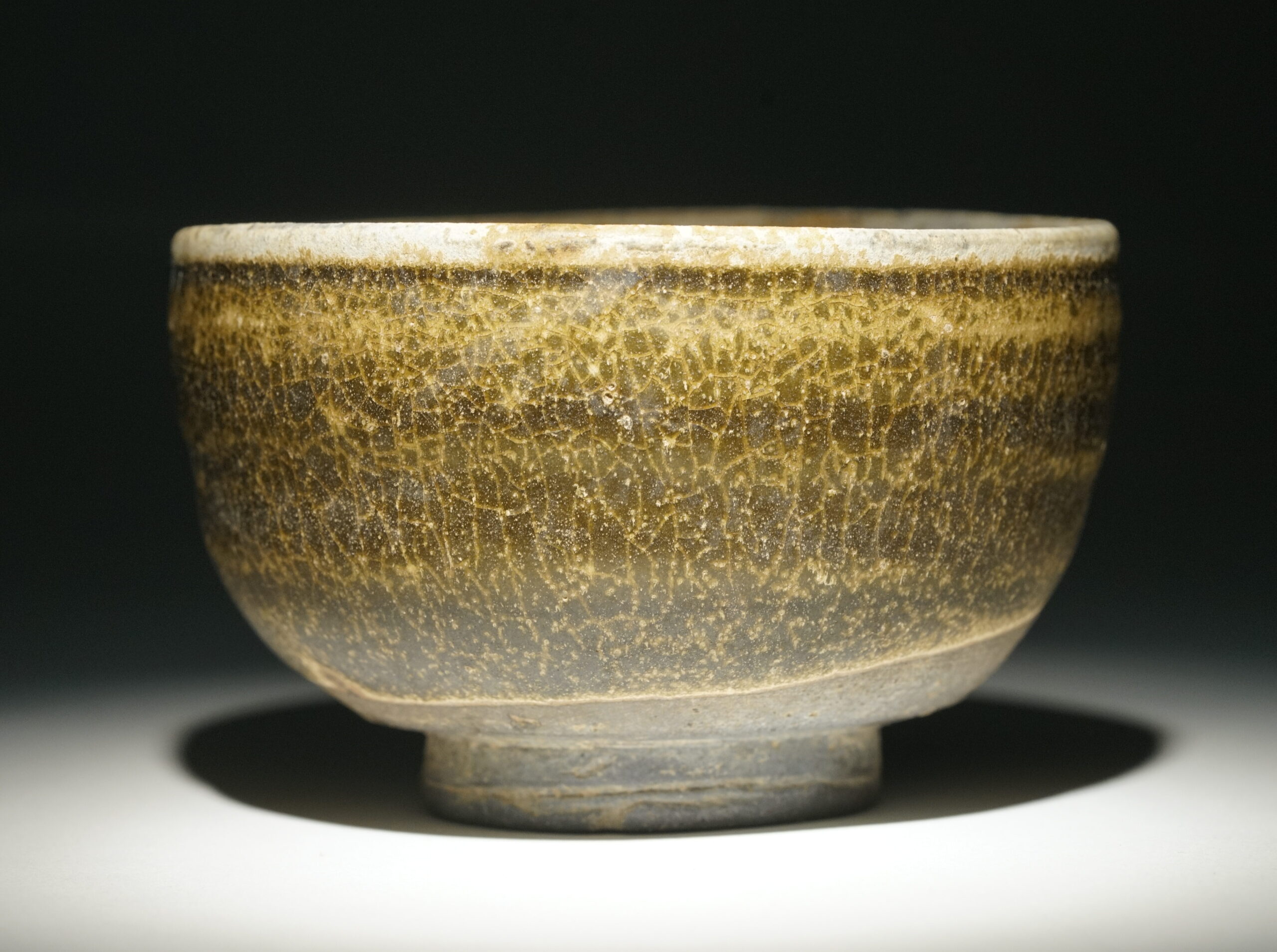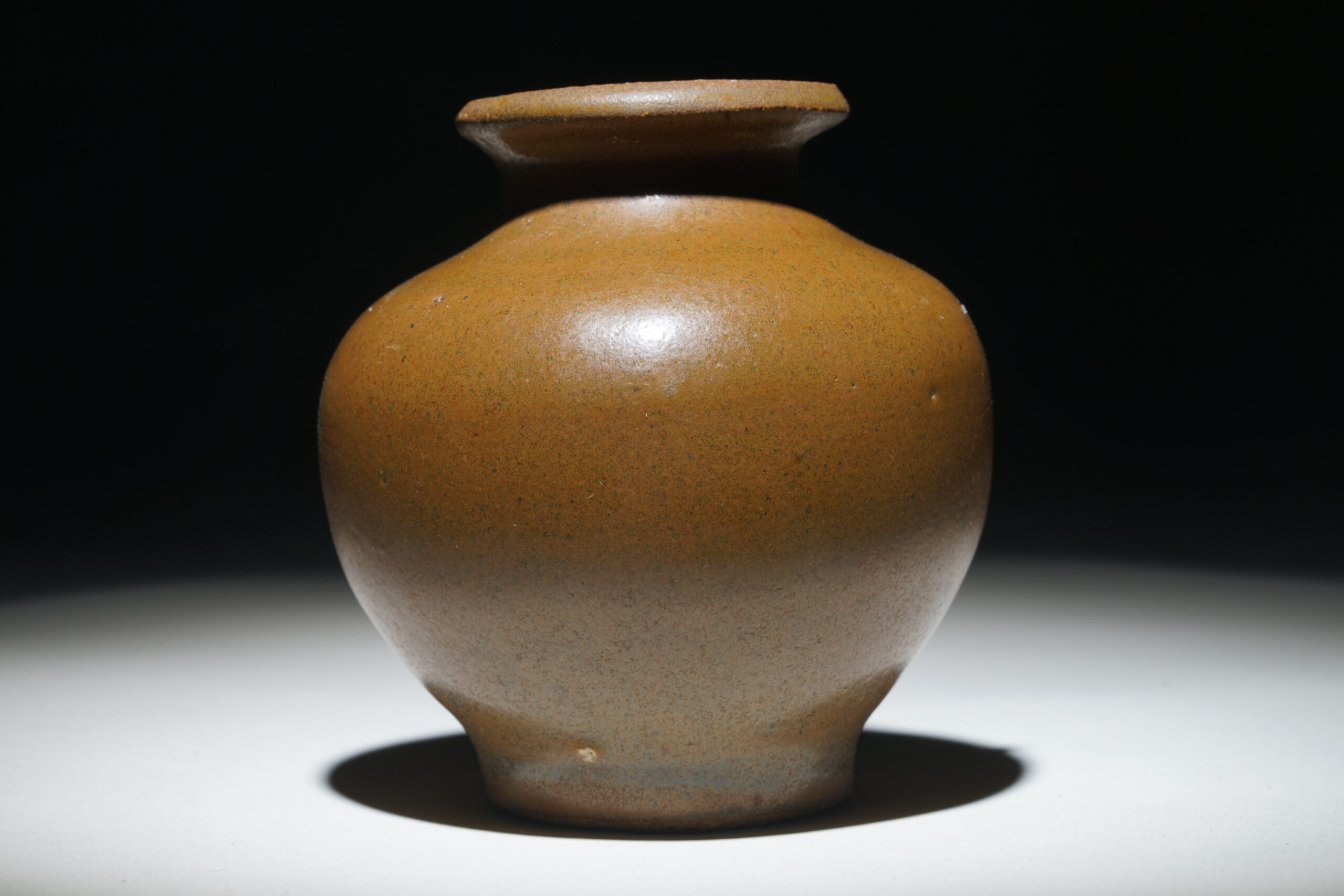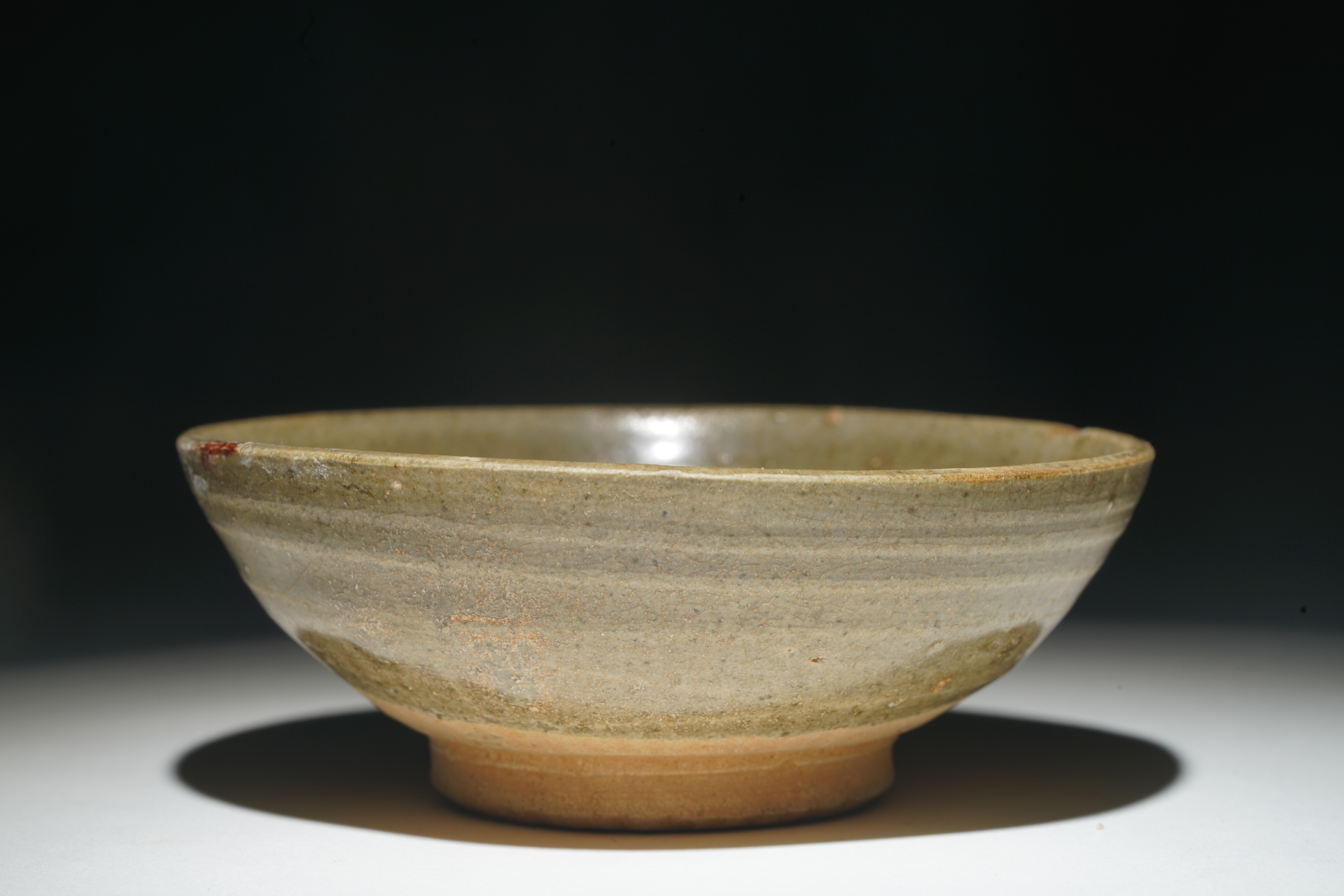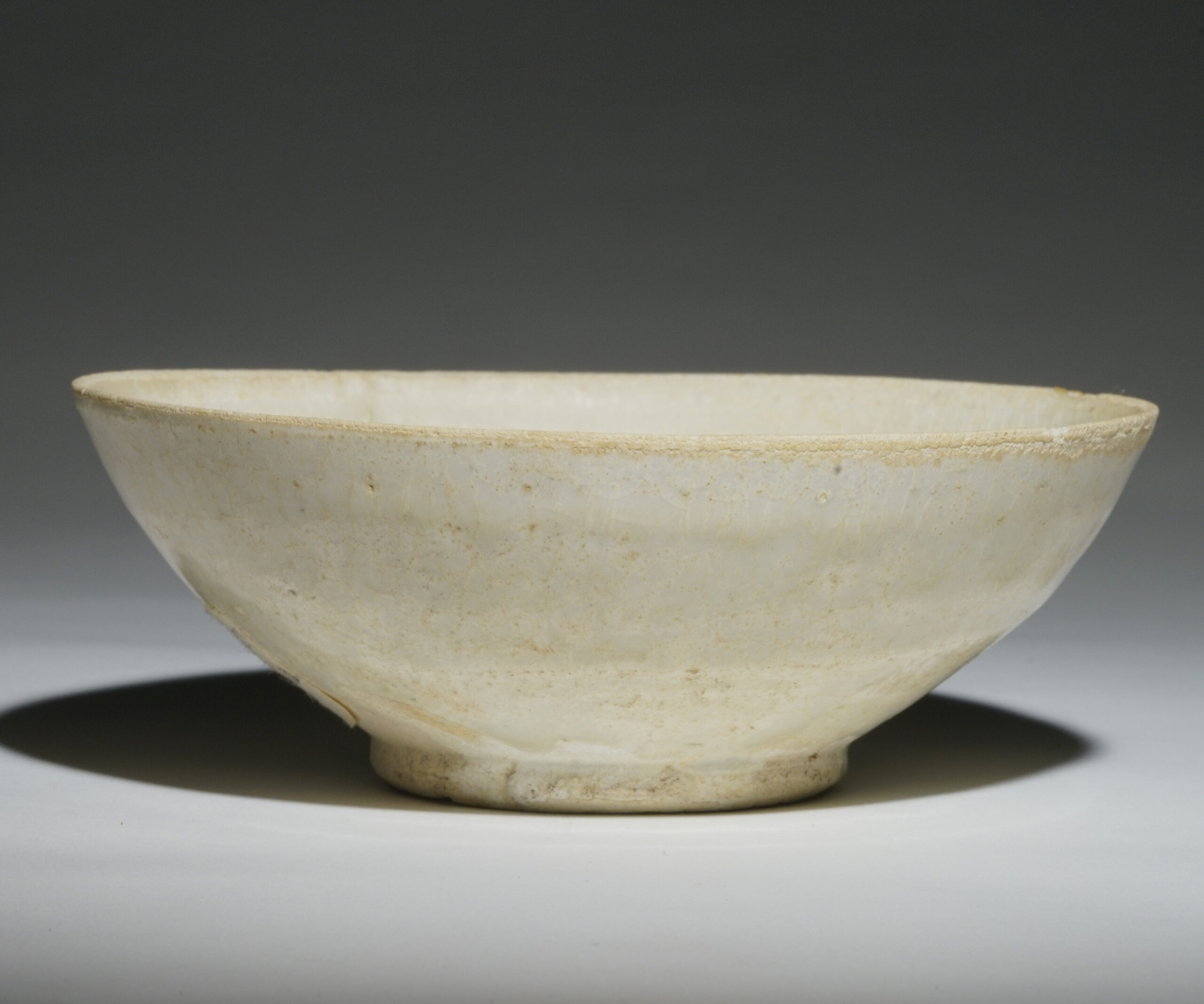


Long before there was China, there were Chinese ceramics.
That’s how ancient they are. 🙂
Wait, hear me out…
Hear with your eyes first and don’t even think. See below, but look only at the shapes and colors. Shape and color unthought, only experienced in mind. It’s easier than any thought. Hot water and leaves, before the thought that makes the tea.


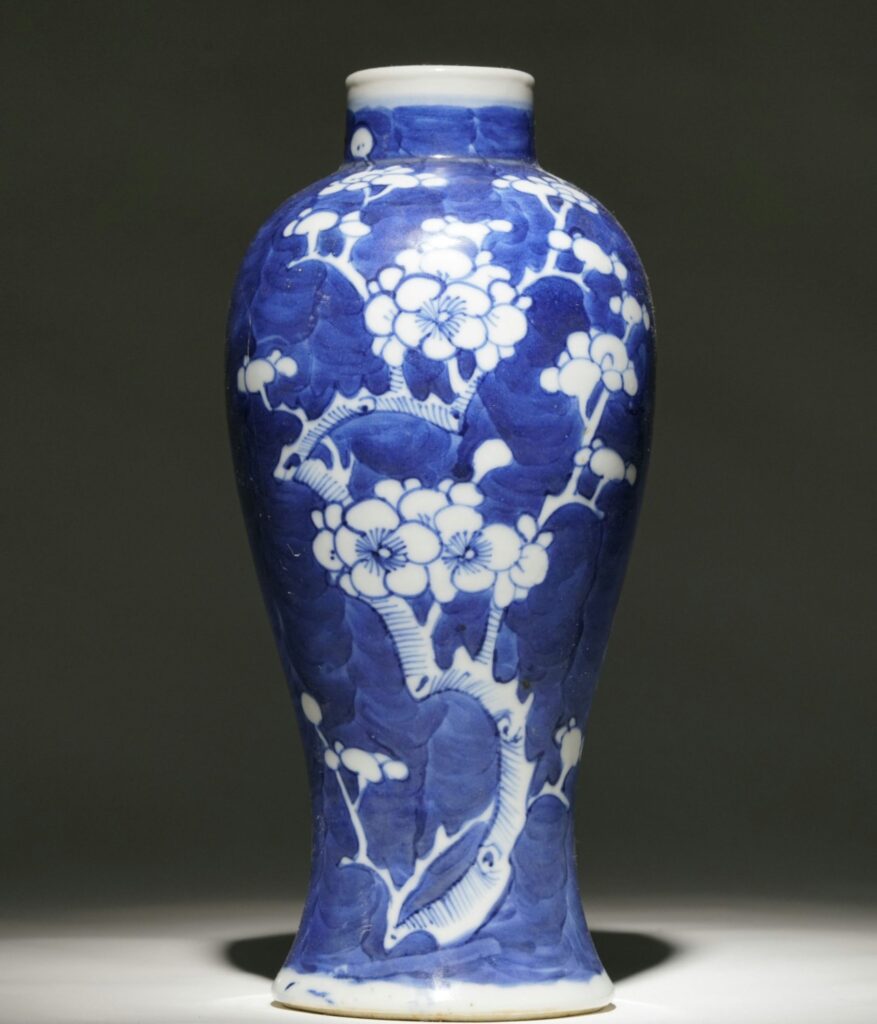
Let’s sip some tea. That was 5,000 years of Chinese ceramics history, neolithic to this late Qing meiping. Hunter gatherers to the last Emperor, the same culture’s colors and shapes over time.
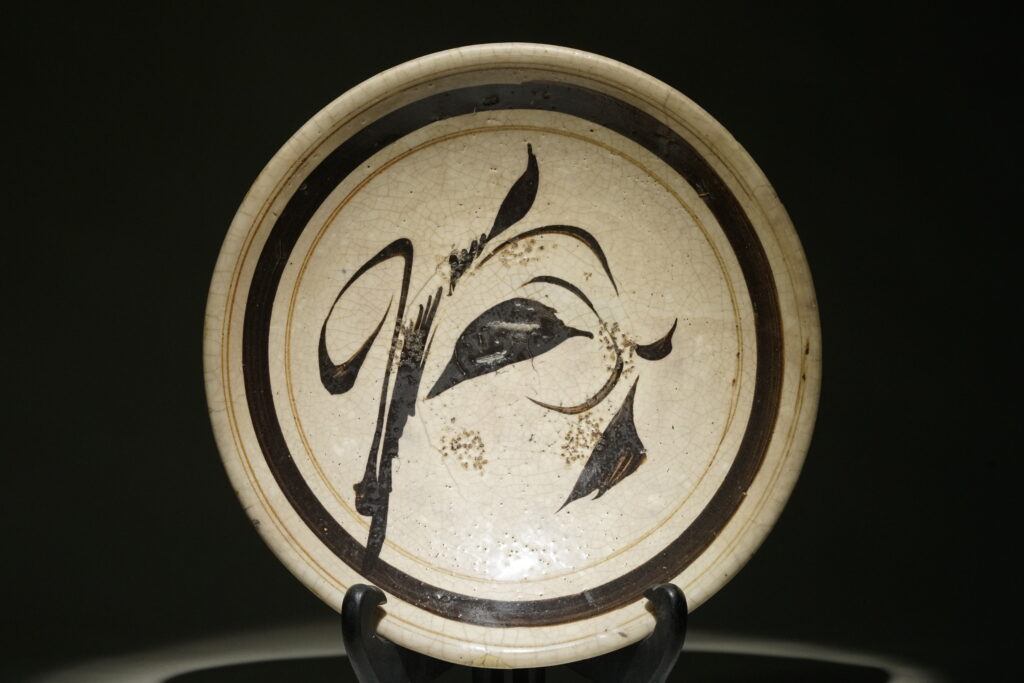
Utilitarian and export wares; the opposite of the high dollar imperial ceramics. None of these pieces are remarkable. That’s not the point. except for representing the best tech for the time and place they’re from.
To learn to see it, to place any thrift store or auction piece in time, you need to learn a story of tech development. Burnished incised low-fired earthenware, cold painted earthenware, burnished incised high-fire stoneware, green lead glaze, refined iron glaze (straw, white, black) on thin-bodied high-fired stoneware, underglaze blue porcelain, with added overglaze enamels


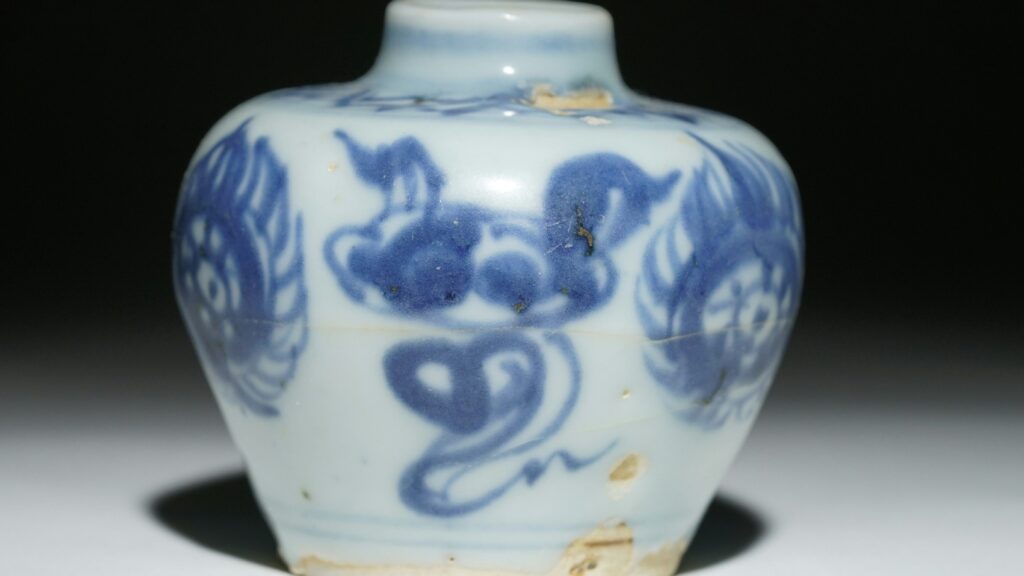
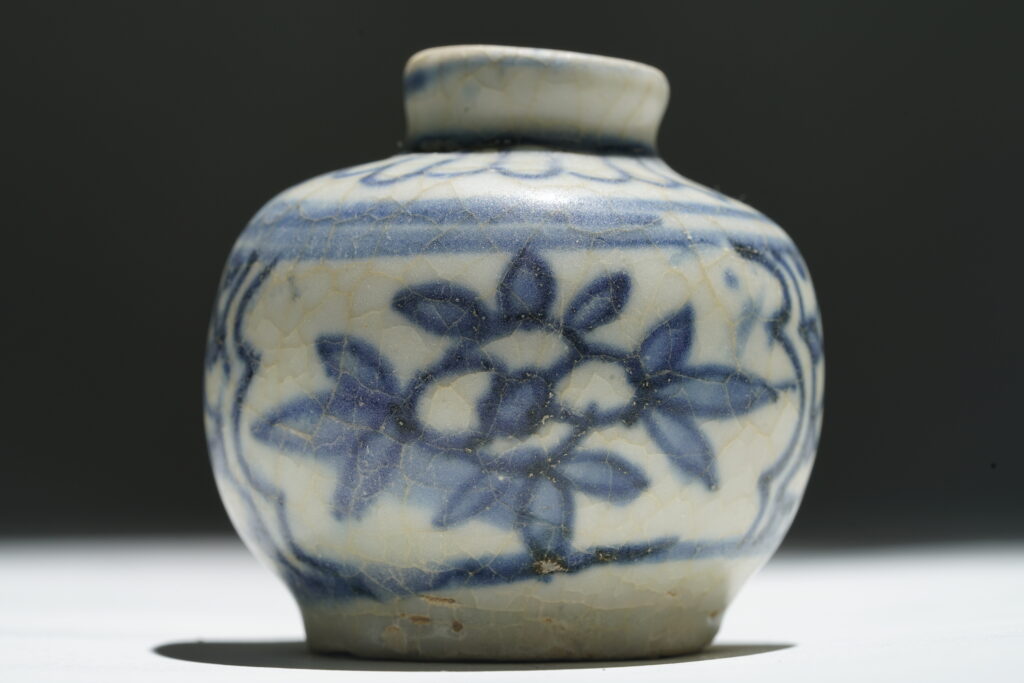
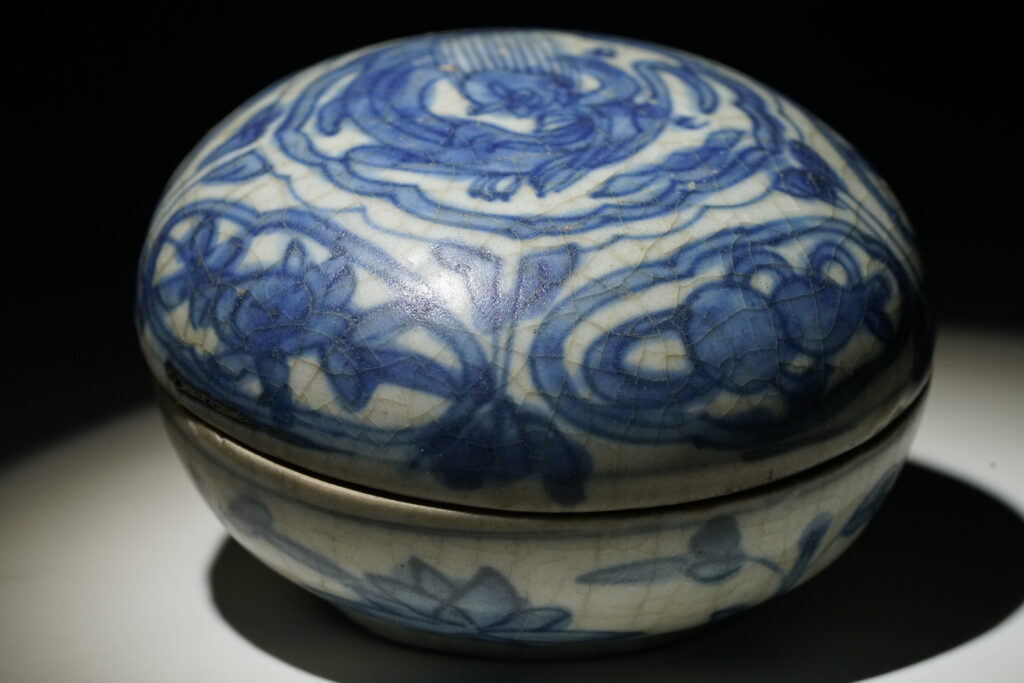
Do any of these things just feel Chinese? Or East Asian? Don’t answer! We’re just getting started. We’ll start with the end of the beginning, Ming Dynasty exports:


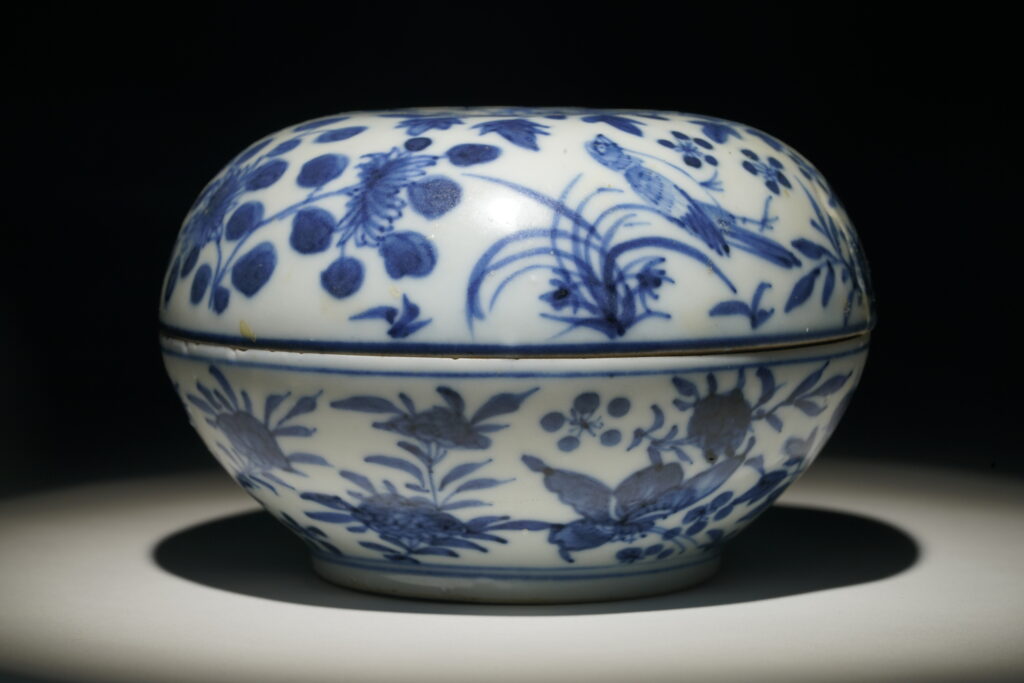
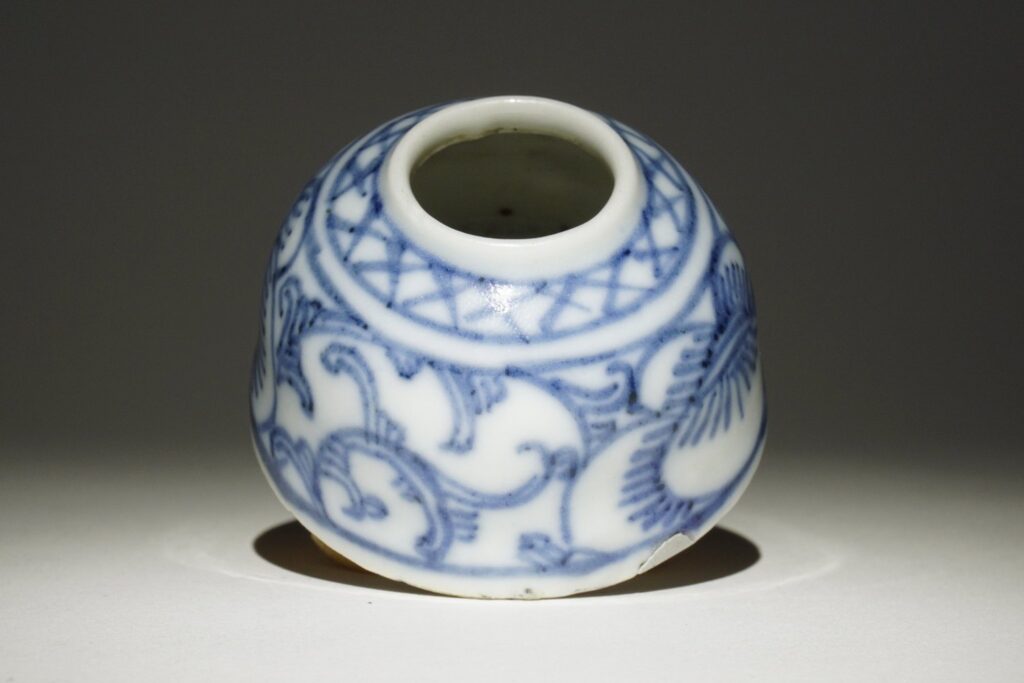
Beautiful blues under a clear glaze on white porcelain: these were the West’s beginning to Chinese ceramics. Is it why the word inscrutable first came to mind? Probably.
But for the Chinese potter, that new beginning was the end result of thousands of years of figuring out how to reach that new, beautiful blue and white beginning.

These aren’t even Chinese. They’re just beautiful, and Japanese. Many of the best Chinese ceramics are Japanese. You’re better at this than you thought.


Do these three things look Chinese? That’s right, they do and they don’t. The clay, shapes, glazes and enamels were China’s world-leading tech, but they took feedback from target markets for custom design.


When hunter-gathers of the Yellow River Valley started gathering themselves into bigger groups, they formed the first year-round communities. This gave them time to hunt for new things, like clays to shape, and better ways to control fire.